

The Application of RFID in Industrial Scenarios
Jan 30, 2024
Leave a message
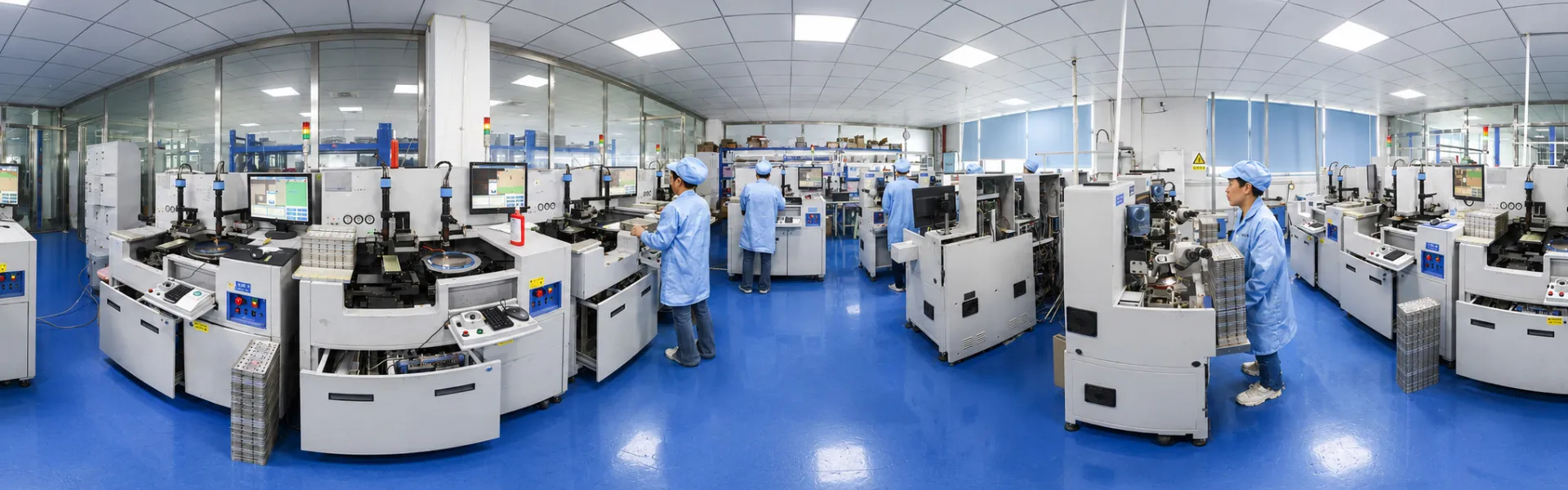
Traditional manufacturing is the mainstay of China's manufacturing industry and the foundation of the modern industrial system. Promoting the transformation and upgrading of traditional manufacturing industry is a strategic choice to actively adapt to and lead a new round of technological revolution and industrial transformation. RFID (Radio Frequency Identification) technology, as an automatic identification technology, is gradually playing an important role in industrial production. Through non-contact identification using RFID technology, product label information can be identified without mechanical or optical contact. It can work normally in harsh working environments such as humidity, dust, and noise, effectively improving production efficiency, reducing costs, and achieving intelligent management, Further promote the transformation and upgrading of traditional manufacturing industry.
1. Material management
In the manufacturing industry, material management has always been a complex and important process. RFID technology makes tracking, management, and control of materials more intelligent by attaching RFID tags to them. Enterprises can use RFID technology to real-time understand the inventory status, transportation process, and material flow on the production line of materials. This real-time monitoring not only helps to reduce inventory costs, but also improves production efficiency. Through RFID tags, enterprises can achieve material traceability throughout the entire supply chain. Whether it is the procurement, transportation, or use of raw materials in the production process, the status of each material can be accurately tracked. This helps enterprises to be more flexible in responding to market changes in the supply chain, while avoiding excessive inventory backlog.
2. Production process control
The application of RFID technology in the production process is not limited to material management, but can also be applied to the automation control of production equipment. By implementing RFID intelligent transformation of production equipment, real-time collection, analysis, and processing of production data can be achieved, which helps to improve the automation level of the production process and reduce labor costs. RFID technology can achieve real-time communication between production equipment, enabling the entire production line to operate in a more coordinated and orderly manner. Real time monitoring and analysis of production data can also help enterprises discover problems in the production process in a timely manner, and make rapid adjustments and optimizations to improve production efficiency and product quality.
3. Product quality traceability
In industrial production, product quality has always been the focus of attention for enterprises. RFID technology provides strong support for product quality traceability. By attaching RFID tags to products, enterprises can achieve tracking and management of the entire product lifecycle. From raw material procurement, production manufacturing, finished product inspection to sales, RFID tags and systems can achieve real-time transmission and aggregation of information. This enables enterprises to have a more accurate understanding of the production process of each product, timely identify potential quality issues, and make adjustments during the production process. This not only helps to improve product quality, but also reduces after-sales service costs and enhances the brand reputation of the enterprise.
4. Logistics and Warehouse Management
RFID technology is also widely used in the fields of logistics and warehousing. By pasting RFID tags on logistics units such as goods and containers, real-time tracking, scheduling, and management of logistics information can be achieved. RFID technology can not only improve the visualization level of logistics, but also enhance the automation level of logistics processes. In terms of warehousing management, RFID technology can be applied to intelligent warehousing systems to achieve functions such as automated inventory and inbound and outbound management of goods. This enables enterprises to manage inventory more accurately, reduce inventory losses, and improve warehousing efficiency.
The application of RFID technology in industrial scenarios not only improves production efficiency and reduces costs, but also helps enterprises achieve green production and intelligent development. With the continuous upgrading of China's manufacturing industry, the application of RFID technology will become increasingly widespread, providing strong support for the sustainable development of China's manufacturing industry.
Send Inquiry