



Ear Tag Without Chips
Material:TPU
Size:Female tag:60*58mm,Male tag:dia 28mm
Chip:No Chip
Frequency:860-960MHz
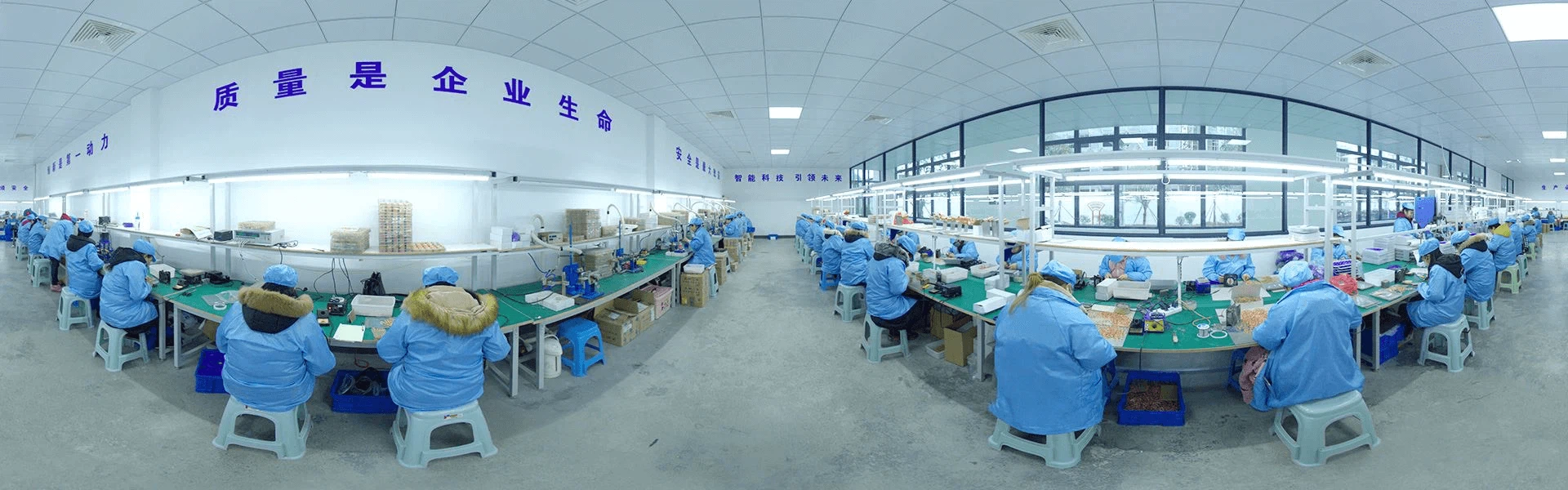
Syntek was established in 2006, headquartered in Hunan with an office in Shenzhen. As a professional supplier in RFID and animal identification, our business covers Eastern Europe, Western Europe, North and South America, Oceania, and domestic markets. In addition to non-chip ear tags, our product line also includes RFID cards, key fobs, TM cards, iButton probes, implantable chips, electronic ear tags, and supporting reading and writing equipment. On-site inspection of production processes and quality control systems is welcome.
In-Depth Comparison of TPU and Plastic Materials
Material selection directly affects the actual performance of ear tags. The following is a systematic comparison from multiple dimensions:
| Evaluation Dimension | Plastic (PE/PP) | TPU Thermoplastic Polyurethane |
|---|---|---|
| Flexibility Characteristics | Rigid or semi-rigid structure | High elasticity, rubber-like feel |
| Impact Resistance | Acceptable, prone to brittleness and cracking with long-term use | Excellent bending and impact tolerance |
| Extreme Temperature Adaptation | Material becomes brittle at low temperatures | Maintains flexibility from severe cold to extreme heat |
| UV Resistance | Moderate, color gradually fades | Excellent anti-UV performance, stable color |
| Chemical Resistance | Can resist conventional agricultural chemicals | Stronger tolerance to oils, acids, alkalis, and solvents |
| Animal Wearing Experience | Sharp edges may cause discomfort | Soft and conforming, moves with animal's ear, reduces injury |
| Expected Lifespan | 2 to 4 years | 4 to 7 years or longer |
| Cost Consideration | Lower initial investment | Slightly higher unit price but better long-term cost-effectiveness |
Conclusion: TPU ear tags have advantages in durability, comfort, and environmental adaptability, suitable for farms pursuing long-term benefits. Plastic ear tags are suitable for scenarios with limited budgets or short-term identification needs, but must accept higher replacement frequency.
Product Technical Specifications
| Base Material | TPU Thermoplastic Polyurethane | | Female Tag Size | 60mm × 58mm | | Male Tag Size | 28mm diameter | | Built-in Chip | None | | Operating Frequency | Not applicable | | Communication Protocol | Not applicable | | Available Colors | Yellow, Red, Blue, White | | Operating Temperature Range | -37℃ to +75℃ | | Reading Distance | Not applicable (visual identification) |

Functional Positioning and Characteristics
Identification Mechanism
Laser engraving technology is used to display numbers, symbols, or customized patterns on the tag surface. Combined with color-coding systems, staff can quickly identify individuals without any electronic devices. Some models are equipped with one-time locking structures that are difficult to remove without authorization after installation, effectively ensuring the integrity and traceability of identification.
Environmental Resistance Design
Specially optimized for complex working conditions in livestock farming sites. Whether continuous sun exposure, rain immersion, or mud contamination, the tags maintain clear readability. The material undergoes special treatment and does not show significant aging or information blurring from long-term outdoor use.
Typical Application Scenarios
Large-scale farming management: Basic identity registration for cattle, sheep, pigs, goats, and other livestock
Disease prevention and control systems: Recording vaccination time, medication history, health monitoring data
Breeding archive construction: Tracking pedigree, genetic characteristics, reproductive performance
Ecological/organic farms: Complying with requirements in certain certification standards regarding avoidance of electronic devices
Wildlife research: Individual marking and behavior observation in ecological studies
Overview of Solution Advantages
From an economic perspective, the unit cost of non-chip ear tags is far lower than RFID solutions. For farms with large stock numbers, it can significantly reduce the overall investment in identification systems. From an operational perspective, this solution completely eliminates dependence on batteries, scanners, and supporting software, eliminating the risk of failures and maintenance burden brought by electronic devices. The installation process is simple and quick, with low technical requirements for operators and minimal stress response in animals.
At the compliance level, the product meets the basic regulatory requirements for livestock identification and traceability in most countries and regions. The material's all-weather resistance capability ensures stable performance from tropical to frigid zones, from arid to rainy environments.
Purchase Information
Quality Assurance Measures
Customized samples can be requested for field testing before bulk ordering to confirm that the product meets specific usage environments and management needs before placing an order.
Expected Service Life
Actual service life is affected by material selection, wearing environment, animal behavior, and other factors. Generally speaking, plastic materials can maintain effective use for 2 to 4 years, while TPU materials can last 4 to 7 years or more.
Material Selection Recommendations
When budget is tight or only short-term identification is needed, plastic material is a practical choice, but replacement costs should be reserved. If pursuing long-term stability and reduced subsequent maintenance, TPU material, although slightly higher in initial investment, offers more outstanding comprehensive benefits.
FAQ
Q: What is an ear tag without chips, and why would I choose it over an RFID tag?
A: As the manufacturer, we're often asked this! Our Ear Tag Without Chips is a visual identification tag made for simple, reliable livestock management without any electronic components. It uses laser-engraved numbers, symbols, or patterns along with color-coding for easy visual reading from a distance. Many farmers prefer these tags because they don't require scanners, batteries, or electronic readers-making them ideal for organic/ecological farms, smaller operations, or situations where electronic devices aren't practical. They're also cost-effective and fully compliant with basic visual ID requirements in most countries. If you need advanced tracking, we'd recommend our RFID options, but for straightforward visual management, these tags are durable and hassle-free.
Q: How do I properly apply the Ear Tag Without Chips to my animals?
A: Proper application is key to good retention and animal comfort-we design our tags for quick and easy installation! First, restrain the animal securely and clean the ear with disinfectant. Use a compatible applicator (we recommend a standard one-piece tagger). Position the tag in the middle-third of the ear, between the two cartilage ribs, avoiding veins. Insert the male pin through the ear and lock it into the female part-you'll hear a clear click when it's secure. Our one-time locking design prevents tampering or accidental removal. Apply quickly to minimize stress, and always disinfect the applicator between animals to prevent infection. If you're new to tagging, we can provide guidance or recommend watching application videos from trusted sources.
Q: What material are these ear tags made from, and how durable are they in harsh conditions?
A: We're proud of our high-quality TPU (Thermoplastic Polyurethane) material-it's far superior to cheaper plastic options! TPU is highly flexible, impact-resistant, and comfortable for the animal, with excellent UV resistance to prevent fading. These tags perform reliably in temperatures from -37°C to +75°C, and they're resistant to rain, mud, sun exposure, and common farm chemicals. The laser engraving won't blur or wear off easily, and with proper application, you can expect a service life of 4-7 years or more. In tough environments, retention is excellent thanks to the soft material and secure locking mechanism.
Q: Can I customize these blank ear tags with numbers, logos, or specific colors?
A: Absolutely-customization is one of the biggest advantages of our blank tags! We offer laser engraving for permanent numbers, letters, symbols, or custom patterns directly at the factory. You can also choose from our standard colors (yellow, red, blue, white) for color-coding systems (e.g., by age, breed, or health status). If you'd like to test before ordering, we provide free customized samples so you can verify readability and fit in your real farm conditions. Just let us know your requirements, and we'll make it happen!
Q: Which animals are these ear tags suitable for, and what sizes are available?
A: Our Ear Tag Without Chips is versatile and widely used for cattle, sheep, pigs, goats, and other livestock. The female tag measures 60mm × 58mm, and the male part is 28mm in diameter-this size works well for most medium to large animals. For smaller animals like young lambs or kids, the tag is still comfortable due to the flexible TPU. If you have very small or very large animals, contact us-we can advise on fit or suggest alternatives from our range.
Q: Will the ear tags cause pain or stress to my animals, and how can I minimize any issues?
A: Animal welfare is important to us as manufacturers. Our TPU tags are soft and elastic, designed to conform to the ear without causing ongoing discomfort. Most animals experience only brief discomfort during application (similar to an ear piercing), and they adapt quickly. To minimize stress: tag young animals when possible, use sharp applicators for clean piercing, and apply disinfectant. Avoid tagging in extreme weather or on frostbitten ears. With our flexible material, irritation or infection risks are very low compared to rigid tags.
Q: How can I prevent ear tag loss or damage over time?
A: Tag loss can happen with any brand, but our design maximizes retention with a strong one-time lock and flexible TPU that moves with the ear. Common causes of loss include poor placement (too close to the edge or head), snagging on fences, or animal fighting. Always place the tag centrally in the ear, check for snags in your facilities, and monitor new tags for the first few weeks. If you experience higher-than-expected loss, it might be environmental-feel free to send us photos, and we'll help troubleshoot or suggest improvements.
Q: Are these tags removable if needed, and how do I do it safely?
A: Our tags feature a secure one-time locking mechanism to prevent tampering, so they're not designed for easy reuse. If removal is necessary (e.g., for slaughter or re-tagging), use specialized tag removal pliers or cutters to clip the stem carefully. Disinfect the ear afterward to prevent infection. For most management needs, the tags stay in place long-term without issues.
Hot Tags: ear tag without chips, China, manufacturers, suppliers, factory, customized, cheap, low price, free sample, cattle ear tag, writable cow ear tag, writable cattle ear tag, Leather RFID Keyfob, Cow UHF Ear tag, cattle rfid ear tag
You Might Also Like


Send Inquiry