



Dog Tag Chips
Chip:EM4305
Frequency:134.2Khz
Application:Dogs/Cats/Rabbit
I. Technical Specifications and Material Composition
This product adopts radio frequency identification technology, with operating frequency set at 134.2kHz, complying with ISO 11784/11785 international protocol framework to ensure cross-regional equipment compatibility. The tag shell is encapsulated with medical-grade bio-glass material, possessing excellent tissue compatibility and anti-migration characteristics.
| Item | Parameter Description |
|---|---|
| Main Material | Polyvinyl chloride shell + medical bio-glass inner core |
| Core Chip Model | EM4305 |
| Tag Size Specifications | 2.12×12mm / 1.4×8mm / 1.25×7mm three options available |
| Syringe Length | 120mm |
| Communication Protocol | FDX-B mode, compliant with ISO11784/5 standard |
| Effective Reading Distance | 5 to 10 centimeters |
| Environmental Adaptation Range | Operating temperature 0℃~70℃, storage conditions the same |
| Factory Form | Independent sterile sealed packaging |
II. Core Function Analysis
Identity Authentication Mechanism
Each tag has a built-in globally unique code sequence. After reading by dedicated scanning terminal, it can be precisely linked to registered dog owner information. This code adopts encrypted storage scheme, effectively preventing the risk of information being illegally intercepted or tampered with.
Loss Tracing Capability
When a dog accidentally escapes from the keeper's supervision, rescue organizations or kind citizens can obtain the contact information pre-stored in the chip through card reading equipment, thereby greatly shortening the recovery period. Some upgraded models also integrate satellite positioning modules, supporting real-time location queries.
Medical Record Storage
In addition to basic identity data, the chip storage area can also write epidemic prevention injection records, past medical history summaries, allergen information and other medical materials, facilitating quick retrieval by medical institutions.

III. Implantation Operation Specifications
Standard implantation procedure is divided into the following stages:
Positioning: The preferred site is the subcutaneous connective tissue layer below the ear root in the back of neck area
Injection: Use the accompanying disposable sterile injection device to complete subcutaneous implantation. The entire process does not require skin incision or anesthesia implementation
Activation: After scanning to confirm the chip number (UID), bind it with the keeper's identity information in the system
Post-operative Care Recommendations
Within 72 hours after implantation, wear a protective neck collar to prevent the dog from licking and biting the injection point
Replace wound covering and topical preparations according to medical advice cycles
Avoid vigorous running, jumping and water activities during recovery period
IV. Biosafety Characteristics
The bio-glass used for the shell is formed by high-temperature melting and has excellent compressive performance, capable of resisting mechanical stress generated by daily activities. This material has been verified through long-term implantation tests and will not induce immune rejection or local inflammatory reactions in the body, nor does spontaneous displacement occur.
The tag itself does not require external power supply and obtains working energy through radio frequency field induction, so there is no risk of battery aging or leakage. Official test data shows data retention capability exceeds ten years, and physical service life can reach twenty years, basically covering the complete life cycle of dogs.
V. Product Selection Guide
There are mainly two types of technical routes in the market: one is RFID tags based on radio frequency signal transmission, and the other is DNA chips that record genetic information. The former focuses on real-time identity verification, while the latter can be used for bloodline tracing and kinship identification. When purchasing, comprehensive consideration should be given to local livestock management regulations and actual application scenarios.
It is recommended to select pet medical institutions with practicing qualifications to complete implantation operations, giving priority to veterinarians with rich clinical experience.
VI. Procurement and After-sales Consultation
Sample Acquisition
International buyers can apply for sample mailing. Logistics channels support FedEx, DHL and UPS. Recipients only need to cooperate with local carriers to handle import customs clearance and pay corresponding taxes and fees, without needing to handle customs declaration documents themselves.
Quotation and Information Request
Product catalog and price list can be obtained via WhatsApp, contact number: 86 19168801892. Staff will send complete information package within one working day.
Quality Control System Description
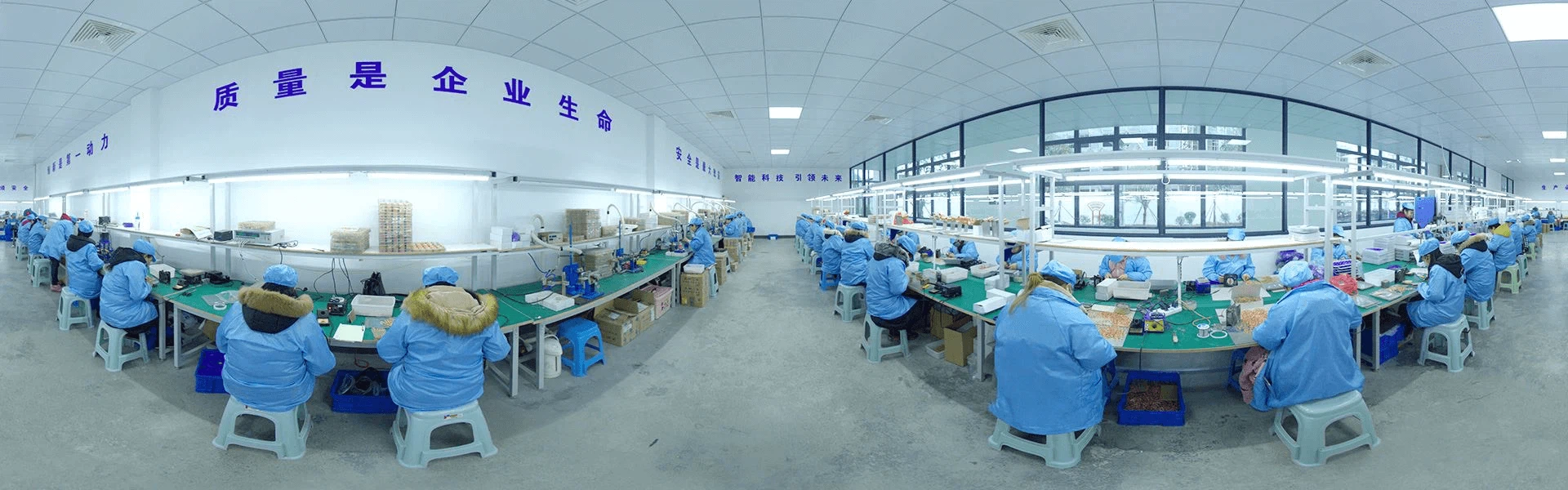
The company has configured strict quality control processes in raw material screening, production process monitoring, finished product factory inspection and other links, and does not sacrifice product reliability in exchange for short-term cost advantages.
Implantation Safety Concerns
Tag encapsulation materials have good tissue compatibility. After implantation, they will not cause rejection symptoms or persistent discomfort. Due to passive design, there is no battery replacement issue involved, and it can work stably for a long time without producing negative effects on host health.
Operation Complexity
The entire injection process takes about two to three minutes, completed by a licensed veterinarian using a disposable syringe pre-loaded with the chip, requiring no incision nor sedation treatment. After the procedure, the dog can immediately resume daily activities.
Hot Tags: dog tag chips, China, manufacturers, suppliers, factory, customized, cheap, low price, free sample, Animal microchip injection, Dog microchip implant, Animal microchip tracker, Animal Ear Tag Tracking, 134 2khz pets microchip, pig rfid ear tag
You Might Also Like


Send Inquiry