



FDX-B HDX Dual Protocol LF RFID Cattle Ear Tag
Chip:EM4305
Protocol: ISO 11784/11785 (FDX-B & HDX)
Frequency:134.2KHz
Product name:Best Cattle Ear Tags
Product Introduction
This low frequency electronic ear tag is engineered specifically for cattle herd management. Unlike standard single-protocol tags that work with only full duplex or half duplex readers, this tag supports both FDX-B and HDX communication modes in a single transponder - solving the protocol mismatch problem that frequently occurs when animals move between farms, auction houses, and processing facilities operating different reading systems.
Each unit integrates an EM4305 re-writable chip with a precision-wound copper coil antenna, encapsulated inside a polyether-based TPU housing. The 134.2 kHz operating frequency is the globally recognized standard for animal tracking under ISO 11784/11785, delivering reliable signal penetration through tissue, hide, and wet conditions. Whether the receiving reader uses continuous-carrier or pulsed-field interrogation, this tag responds correctly - ensuring consistent readability across all ISO-compliant livestock management equipment.
Technical Specifications
| Item | FDX-B HDX Dual Protocol LF RFID Cattle Ear Tag |
| Material | Polyether-based TPU |
| Size | Diameter 30 mm, or customized |
| Chip | EM4305 (FDX-B & HDX compatible) |
| Frequency | 134.2 kHz LF |
| Protocol | ISO 11784 / ISO 11785 |
| Memory | Read/Write |
| Antenna | Copper wire coil |
| Operating Temperature | -30°C to +80°C |
| Power Source | Passive - no battery required |
| Surface Marking | Laser engraving (number, logo, barcode) |
| Encoding | ID number / text / URL, or blank for field encoding |
| Color | Custom (standard: yellow) |
Why Both FDX-B and HDX in One Tag?
In real operations, cattle do not stay on a single farm for life. Beef animals move from cow-calf operations to backgrounding lots, feedyards, and packing plants. Dairy cows transfer between milking facilities. Breeding stock crosses state and national borders. At every point of transition, the tag must be readable - regardless of which reader brand or communication mode the receiving facility uses.
FDX-B transmits data simultaneously with the reader's carrier signal using amplitude shift keying (ASK). It is the default standard in most national traceability programs. HDX transmits after the reader's charge field pauses using frequency shift keying (FSK), typically achieving longer read range and better performance near metal infrastructure - steel squeeze chutes, galvanized headgates, and reinforced concrete floors common in handling facilities. For a side-by-side breakdown of how these two modes compare in real-world deployment scenarios, see our technical overview of the key performance differences between FDX and HDX livestock ear tags.
A single-protocol tag forces the buyer to verify which system every downstream handler uses. This dual-standard tag removes that constraint entirely. One tag, two protocols, zero compatibility failures - making it a practical choice for cross-border traceability programs, multi-site ranch operations, and government-mandated disease tracking systems that must work with diverse reader equipment.
Key Features
1. Simultaneous Full Duplex and Half Duplex Compatibility
The embedded EM4305 chip responds to both continuous-carrier and pulsed-field interrogation. This means the same tag works with Allflex, Gallagher, Tru-Test, Datamars, and all other ISO 11784/11785-compliant handheld scanners, panel readers, and race readers - no tag swap required when animals change hands. If you need a compatible reading device for field use, our 134.2 kHz handheld ear tag reader that supports both FDX-B and HDX protocols is designed to pair directly with this tag.
2. Read/Write Memory for On-Tag Data Management
Unlike read-only transponders that store only a fixed 15-digit animal ID number, the EM4305 provides writable memory. Field operators can encode supplementary data - country codes, herd management numbers, custom identifiers - directly onto the tag using standard desktop or handheld encoders. Data can be updated at any point in the animal's life cycle without physical replacement.
3. Copper-Core Antenna for Stable Signal Quality
The internal antenna is wound from pure copper wire rather than aluminum or printed conductive ink. Lower electrical resistance translates to more reliable energy harvesting from the reader's electromagnetic field and a stronger backscatter signal. This ensures consistent read performance even in electrically noisy environments - near electric fencing, motorized chute gates, or LED lighting ballasts - where cheaper antenna materials can cause intermittent read failures.
4. Durable Thermoplastic Polyurethane Housing
The tag body uses polyether-based TPU - a material selected for livestock environments specifically because it resists hydrolysis (moisture-driven breakdown), microbial degradation, and UV exposure far better than polyester-type alternatives or rigid PVC. It remains flexible in freezing weather and does not soften in tropical heat. The non-toxic, skin-friendly surface minimizes tissue irritation at the piercing site. To understand why polyether TPU outperforms other housing materials across the full livestock tag lifespan, see our detailed explanation of what makes TPU the preferred encapsulation material for RFID animal ear tags.
5. Tamper-Evident Lock Structure
The male-female stud uses a one-way barb geometry that cannot be opened and reclosed without visible damage. This supports livestock theft prevention, veterinary certification, and traceability mandates where chain-of-custody integrity is essential.
6. Permanent Laser-Marked Visual ID
Each tag carries a laser-etched number matching the electronically encoded ID. Laser marking penetrates the material rather than sitting on top, so it will not fade, smear, or wash off over the animal's lifetime - providing a reliable visual backup when electronic scanning is unavailable.
Where This Tag Fits in the Livestock Supply Chain
The core advantage of supporting both ISO communication modes is operational flexibility across every stage of the animal's life - without re-tagging or worrying about reader incompatibility. Here are the workflows where that matters most:
Government Traceability and Disease Surveillance Programs
National cattle ID mandates - from the USDA's Animal Disease Traceability rule requiring electronic tags for interstate movement, to EU bovine passport systems, to Australia's NLIS, to emerging programs across Africa - all operate under ISO 11784/11785 but deploy a mix of reader types. A tag that responds to both interrogation modes passes every checkpoint without read failure, regardless of which equipment the local authority operates. For procurement agencies running national-scale tagging tenders, the dual-mode specification simplifies requirements and eliminates the need to manage separate tag inventories for different regions. Our RFID animal ear tag procurement guide covering traceability program specifications and compliance requirements provides a practical reference for large-scale sourcing decisions.
Multi-Facility Cattle Operations and Auction Markets
Large beef operations frequently move cattle across properties with different scanner equipment. A ranch may use panel readers at the working chute while the receiving feedlot operates handheld wand scanners from a different manufacturer. At sale barns, animals arrive wearing tags from dozens of different operations - the market's reader must scan every animal in the alley regardless of tag origin. When the tag natively supports both communication standards, data continuity is maintained from birth pasture to finishing pen to sale ring, with no re-tagging labor and no lost ID events. Browse our full range of electronic cattle ear tags for beef and dairy herd identification to compare chip options, sizes, and encoding formats suited to different operation types.
Dairy Parlor Integration and Breeding Record Management
Modern dairy cattle operations and seedstock breeders rely on automated scanning at milking parlors, feed stations, sorting gates, and AI centers. Some facilities installed half duplex readers years ago for their longer read range through metal stanchions; newer installations may default to full duplex. A single tag that works across both generations of infrastructure eliminates the choice between replacing all tags or replacing all readers when a facility upgrades. The writable EM4305 memory also allows on-farm encoding of parlor-specific data fields, registration numbers, or genomic sample IDs directly onto the tag.
Company Profile
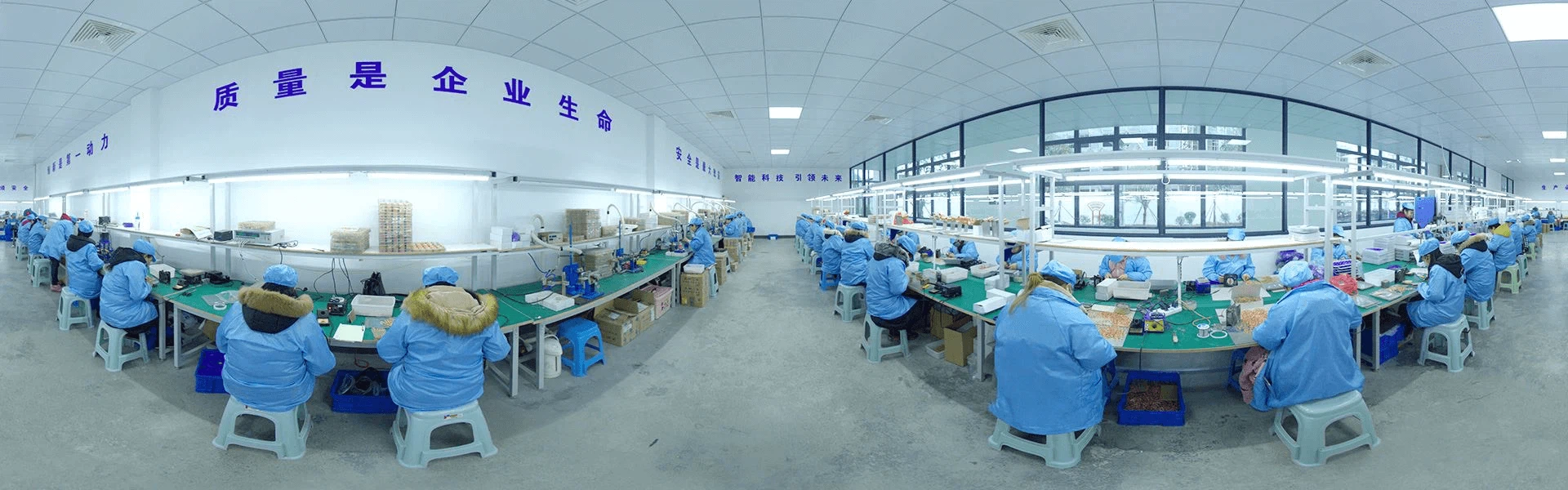
JingZhou Syntek Smart Technology Co., Ltd was established in 2006 and operates proprietary TPU compounding and injection molding lines dedicated to RFID ear tag production. We manufacture our own raw material, wind our own antennas, and encode our own chips - all under one roof. This vertical integration delivers factory-direct pricing that ranks among the lowest globally for ISO-certified electronic animal ear tags, while maintaining performance comparable to premium international brands.
Syntek has supplied electronic ear tags for large-scale government and commercial projects including cattle herd management in Mongolia, livestock anti-theft tagging in Senegal and Mauritania, and national electronic ear tag rollouts in Botswana. Our documented tag retention rate remains below 1% loss across real multi-year field deployments. Monthly production capacity reaches 500,000–600,000 sets, with fully automated processes from coil winding through data encoding to ensure programming accuracy and stable resonant frequency across every batch.

Our Certifications

CE Certification of Syntek

ISO9001
FAQ
Q1: What is the difference between FDX-B and HDX in this cattle ear tag, and which should I choose?
A: This tag supports both FDX-B (Full Duplex) and HDX (Half Duplex) protocols via the EM4305 chip. FDX-B allows simultaneous two-way communication, making it faster and better suited for most standard farm readers. HDX transmits one direction at a time and performs better in environments with significant metal interference, such as older cattle crushes or steel headgates. If your reader is ISO11784/785-compliant, it will read both - so this tag gives you flexibility without needing to commit to one protocol upfront.
Q2: Is this ear tag compatible with my existing RFID reader?
A: Yes, as long as your reader is ISO11784/785-compliant and operates at 134.2kHz LF. This is the global livestock identification standard, and the tag is compatible with any ISO-compliant handheld stick reader, panel reader, or fixed gate reader. It is not compatible with UHF readers (860–960MHz).
Q3: What is the reading distance of this LF cattle ear tag?
A: The reading distance reaches up to 6 meters when paired with a compatible fixed panel reader under optimal conditions. For handheld stick readers, typical real-world range is 35–45cm. Metal objects nearby (headgates, chutes) may reduce range - in those environments, the HDX mode offers better signal transmission.
Q4: What data does this ear tag store, and can it be rewritten?
A: The EM4305 chip supports read/write functionality. It stores a unique ID number that can be encoded with breed information, source farm, vaccination records, birth date, or any text/URL format. The laser-etched number on the tag surface provides a permanent visual backup that cannot fade or be rubbed off, unlike inkjet-printed tags.
Q5: How does the tag hold up in extreme weather and outdoor conditions?
A: The tag is made from polyether TPU (not standard PVC), which is more resistant to UV degradation and hydrolysis over time. It operates reliably between -30°C and +80°C, making it suitable for both sub-zero winters and high-temperature feedlot environments. It is fully waterproof and flexible enough to avoid cracking under physical stress.
Q6: What does the drop rate of less than 1% mean in practice?
A: Drop rate refers to how often a tag falls out of the animal's ear under real farm conditions. A rate below 1% means that in a herd of 1,000 cattle, fewer than 10 tags are expected to be lost over the animal's lifetime. This is achieved through the secure locking structure of the tag applicator pin - once applied correctly, the tag resists snagging on fencing or brush that typically causes tag loss.
Q7: Does this tag comply with international livestock traceability regulations?
A: Yes. The tag follows the ISO11784/11785 standard, which is the basis for official livestock identification systems in the EU, Australia (NLIS), and international ICAR-certified traceability programs. It is suitable for use in government-mandated cattle tracking systems. Note that for USDA official ID (840-series tags) in the United States, specific approved vendor registration is required separately.
Hot Tags: FDX-B HDX Dual Protocol LF RFID Cattle Ear Tag, China, manufacturers, suppliers, factory, customized, cheap, low price, free sample, Leather RFID Keyfob, Cow UHF Ear tag, cattle rfid ear tag, writable cow ear tag, writable cattle ear tag, cattle ear tag
You Might Also Like


Send Inquiry