



Koi Fish RFID Microchip Glass Tube Tag
Chip:EM4305
Size:2.12*12mm/1.4*8mm/1.25*7mm
Product name:Pets Microchip Glass Tube Label
Engineered for Aquatic Animal Identification
The Koi Fish RFID Microchip Glass Tube Tag is specifically designed for high-value ornamental fish. This injectable bioglass transponder provides permanent electronic identification for premium aquatic species including Japanese Nishikigoi, Asian Arowana, and other valuable pond specimens.
Each waterproof implant contains a unique 15-digit ID code compliant with international ISO11784/11785 standards. The ultra-miniature 1.25mm diameter option minimizes implantation stress on smaller species, while parylene-coated encapsulation ensures complete biocompatibility in underwater environments.
For CITES-regulated species like Asian Arowana (Scleropages formosus), this product meets documentation requirements for captive-bred certification and international trade compliance.
Whether you operate a commercial koi breeding facility protecting championship bloodlines, an arowana farm requiring CITES-compliant documentation, or a research institution studying aquatic populations, our solution delivers reliable lifelong identification with universal scanner compatibility.

Technical Specifications
Detailed parameters for our ISO-compliant bioglass implant solution
| Product Name | Koi Fish RFID Microchip Glass Tube Tag |
|---|---|
| Operating Frequency | Standard: 134.2KHz (FDX-B) | Optional: 125KHz (FDX-A/HDX), 13.56MHz (NFC/ISO14443A) |
| Chip Options | EM4305, Hitag S256, NTAG213/215/216 |
| Available Dimensions | 1.25×7mm (Mini) | 1.4×8mm (Standard) | 2.12×12mm (Large) | Custom sizes available |
| Encapsulation Material | Medical-Grade Bioglass + Parylene C Anti-Migration Coating |
| Protocol Compliance | ISO11784/11785, FDX-B, FDX-A, HDX | ICAR Certified |
| Reading Distance | 5-10cm (depending on reader and implant depth) |
| Data Retention | 20+ years (passive, no battery required) |
| Operating Temperature | -20°C to +50°C |
| Sterilization | EO (Ethylene Oxide) sterilized, 5-year effectiveness |
| Customization Options | ICAR number encoding, UID programming, laser engraving, custom syringe colors, multilingual packaging |
Why Choose SynTek for Aquatic Species Tagging?
Purpose-built for aquaculture professionals, koi breeders, and ornamental dealers who demand reliability
Bioglass + Parylene Anti-Migration Coating
Our implants use medical-grade bioglass combined with parylene anti-migration coating. This dual-layer protection prevents chip drift post-implantation and ensures zero tissue rejection-the same material standard used in human medical devices for maximum animal safety.
True Source Factory (No Middlemen)
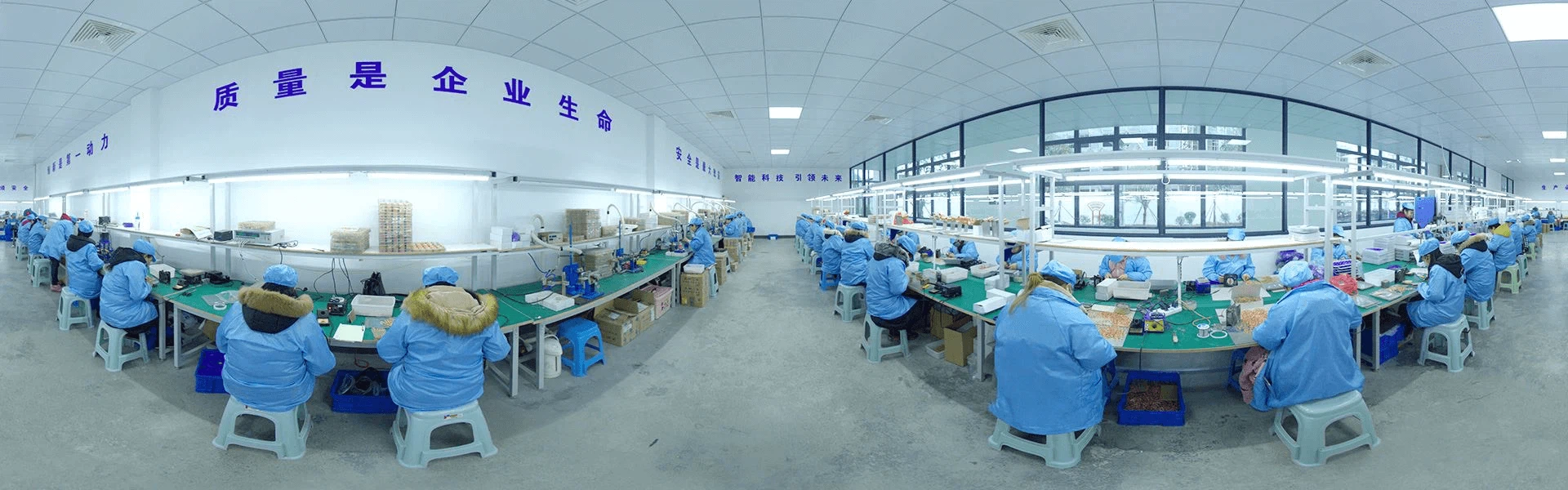
Unlike trading companies, SynTek controls the entire production from chip bonding to final assembly. Every unit undergoes 100% pre-shipment testing with factory-direct pricing and complete quality traceability. OEM partners and distributors benefit from consistent supply chain management.
Ultra-Miniature Size for Delicate Species
Our 1.25×7mm compact option is designed for smaller ornamental species where standard-sized implants would be too invasive. This mini glass tube delivers equivalent reading distance as larger variants while minimizing stress on valuable specimens during the procedure.
In-House OEM & Custom Encoding
All products are ICAR certified with options for custom ICAR number encoding, UID programming, and laser-engraved serial numbers. We provide multilingual instructions, custom syringe colors, and private-label packaging for brand partners and regional distributors.
Real-World Applications
Trusted by koi farms, aquarium facilities, and fisheries research institutions worldwide
Premium Koi Breeder Networks
Japanese Nishikigoi breeders and international dealers use glass tube implants to authenticate championship bloodlines, document growth records, and protect specimens valued from $10,000 to over $1 million. The permanent ID creates verifiable proof of ownership for auction transactions and insurance claims.
CITES Arowana Certification
Breeding farms in Singapore, Malaysia, and Indonesia rely on ICAR-certified implants to meet international endangered species trade regulations. Each captive-bred dragonfish receives a transponder linked to breeding documentation, enabling legal export with verified identity certificates.
Fisheries Research & Conservation
University labs and wildlife agencies deploy PIT tags for long-term population studies. The waterproof bioglass construction withstands years of freshwater and brackish environments while enabling non-invasive identification during recapture surveys and migration pattern analysis.
Public Aquarium Specimen Management
Major aquariums and zoological facilities implement electronic ID systems for inventory management, medical record keeping, and visitor education programs. Universal scanner compatibility ensures seamless integration with existing animal management software platforms.

Our Certifications

CE

ISO9001

ICAR
Frequently Asked Questions
Q: What size is recommended for koi?
A: For most adult koi (30cm+), we recommend the 2.12×12mm standard size. For younger specimens or smaller ornamental species, our 1.4×8mm or ultra-miniature 1.25×7mm options provide adequate reading range with minimal tissue displacement. Japanese breeders typically begin implanting at 15-20cm body length.
Q: Are these compatible with universal scanners?
A: Yes, our ISO11784/11785 FDX-B compliant products work with all universal pet scanners and dedicated aquatic animal readers. The 134.2KHz frequency is the global standard. We also offer 125KHz variants for legacy systems and 13.56MHz NFC options for smartphone-readable applications.
Q: How does the implantation process work?
A: Each unit comes pre-loaded in a sterile single-use syringe. For koi and larger ornamental species, the implant is typically placed beneath the dorsal fin or in the abdominal muscle. We recommend appropriate sedation for stress reduction. The procedure takes seconds and specimens typically recover within minutes. The parylene coating prevents post-implant migration.
Q: Does this meet CITES requirements for arowana?
A: Yes, our ICAR-certified products meet the documentation requirements specified by CITES for Asian Arowana (Scleropages formosus) trade. Each transponder provides a unique 15-digit ID that links to breeding farm certificates. We supply many CITES-registered facilities across Southeast Asia.
Q: What is the minimum order quantity?
A: MOQ starts at 100 pieces for standard products. For custom encoding (specific ICAR number ranges), custom syringe colors, or private-label packaging, MOQ is typically 500-1000 units. We offer free samples for qualified B2B customers and volume pricing for distributors and OEM partners.
Q: How long do passive glass tube implants last?
A: Our bioglass implants are designed for 20+ year data retention with no internal battery. The hermetically sealed medical-grade glass provides unlimited resistance to water absorption and maintains stable operation across -20°C to +50°C temperature ranges. The chip functions throughout the animal's entire lifespan without degradation.
Hot Tags: Koi Fish RFID Microchip Glass Tube Tag, China, manufacturers, suppliers, factory, customized, cheap, low price, free sample, Dog Animal microchip, pig rfid ear tag, 134 2khz pets microchip, Dog microchip implant, sheep rfid ear tag, sheep ear tag
You Might Also Like


Send Inquiry