

The Future of Animal Management: Integration of IoT, RFID, Big Data and AI
Sep 03, 2025
Leave a message
Introduction
Under the digital technology, animal management will be completely reshaped. RFID, IoT, big data and AI will no longer be separate entities - instead, they work together to form an intelligent ecosystem for implementing monitoring, future prediction and continuous measures on animals.
The Role of RFID in Animal Management
RFID tags can enable real-time identification, recording and tracking of livestock, pets, and even endangered animals. It is different from manual marking. The built-in RFID function can automatically obtain data, reducing the occurrence of errors and making it extremely convenient for long-term monitoring of animals' behaviors and health.
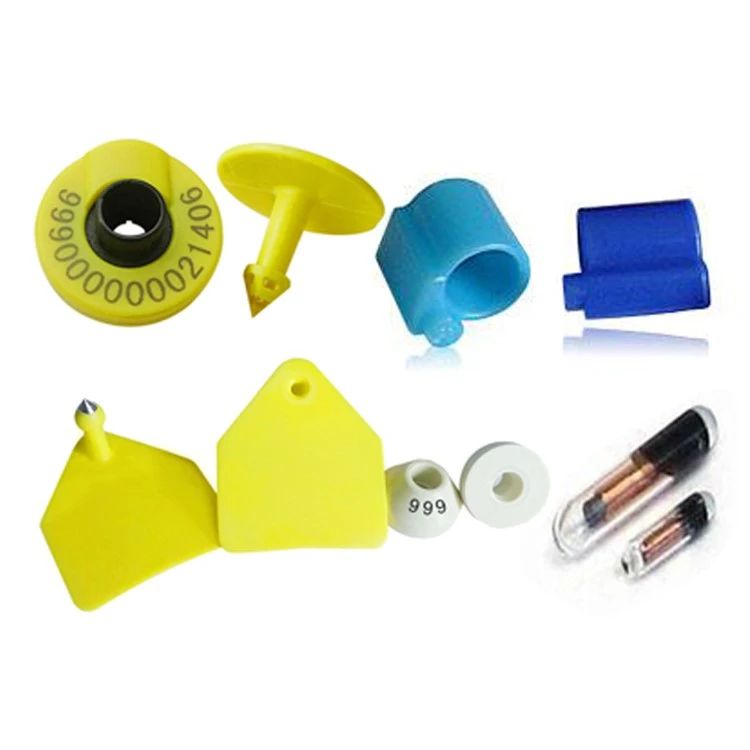
For example: RFID animal ear tags can provide an independent identification number, which is used to track the health status and vaccination history of livestock as well as their feeding cycle. In wildlife research, RFID chips are even used for remote monitoring of endangered animals, reducing the pressure of obtaining data on the animals' conditions in a short period of time.
IoT: Connecting Animals to Smart Systems
IoT facilities such as smart collars, ear tags, and animal breeding stations have established a bridge for the construction of the animal management system. This enables farmers to monitor the body temperature, daily activities and feeding habits of the animals even over long distances, thereby improving their management efficiency and the welfare of the animals.
For instance, the intelligent breeding station is equipped with RFID readers, which can record the feeding process of the animals. Combined with IoT connectivity, the animal caretakers can easily identify early signs of animal malnutrition or diseases.
For better animal management, this RFID animal reader solution, when combined with mobile applications or ranch management systems, enables ranchers to have instant insights into the health and activities of the animals.

Big Data: From Tracking to Insights
Data from RFID and IoT sensors can be enhanced to form a more powerful database. By using big data analysis, farmers can promptly monitor disease control situations, optimize feeding strategies and resource allocation in the supply chain.
Under the forward-looking prediction of big data, by analyzing the temperature, feeding conditions and behavioral data of animal groups, the farm can promptly intervene in the occurrence of animal diseases. The supply chain can also benefit from this. The data from RFID livestock tags ensures data visibility throughout the entire process from the farm to the table, enhancing food safety and allaying concerns about food safety.

Artificial Intelligence: From Data to Decisions
AI can convert metadata into actionable suggestions. Machine learning models can quickly detect abnormal behaviors, predict animal health risks, and even be equipped with AI cameras that can automatically visualize possible future scenarios.
Synergy: When RFID, IoT, Big Data, and AI Work Together
When all of these come together, a true breakthrough will occur. For instance, RFID tags offer identification capabilities, IoT devices provide real-time data, big data systems generate analytical images, and AI offers predictive suggestions. These together constitute the animal intelligence management system.
Benefits for Farmers, Researchers, and Policymakers
Farmers have achieved higher productivity, researchers have obtained more comprehensive data, and policymakers can also formulate more reasonable regulations through all of this. In conclusion, this technology is beneficial for animal food safety, sustainability, and better welfare.
Challenges and Ethical Considerations
However, challenges still remain, including the cost of technology implementation, privacy data protection, and ethical issues that may arise from more extensive monitoring. Ensuring animal welfare and visibility must be the top priorities that need to be addressed.
Future Trends
Future advancements may mainly manifest in the faster analytical capabilities provided by computing power, the security visibility offered by blockchain, and fully automated intelligent farms. Wildlife protection will also benefit from this integration of technologies.
Conclusion
The integration of RFID, IoT, big data and AI heralds the future of animal management. By integrating these technologies, we can achieve higher efficiency and better animal welfare, and build a bright future for agricultural production and animal protection.
Got Any Questions ?
Feel Free Click Contact Us

Send Inquiry